
When Bitmart was hacked in December 2021, victims lost almost $200 million collectively. They’re still waiting for Bitmart to reimburse them.
Even more recently, Crypto.com and AscendEX were also hacked. In both cases, the majority of stolen assets were Ethereum, and both crypto exchanges have promised to cover their customers’ losses. Time will tell if individuals will be able to recover their stolen crypto.
With cryptocurrency continuing to rise in popularity, hackers are targeting cryptocurrency exchanges and personal crypto wallets more doggedly than ever. Your cryptocurrency isn’t guaranteed to be safe unless you take steps to protect it.
Of course, investing in cryptocurrency is always a risk. Your crypto wallets are vulnerable to the rise and fall of the market, and that’s part of the draw. If anything, this should make you even more careful when it comes to protecting your cryptocurrency online.
What is cryptocurrency?
Unless you’ve been living under a rock for the past few years, you’ve probably heard of cryptocurrency. But even if you’ve heard a lot about it, you might still have some confusion surrounding this complex system.
Cryptocurrency is essentially money in digital form. It can be used to buy various things, but it’s most often used as an investment. While most people buy crypto with dollars, some expert coders mine for crypto using a powerful computer that consumes a ton of electricity.
Should you invest in cryptocurrency? It’s completely up to you. Cryptocurrencies are known to be quite volatile — something to keep in mind. Lots of people have been very successful with their crypto investments, while others have lost a significant amount of money. Make sure to do your research before investing.
The top cryptocurrencies of 2022
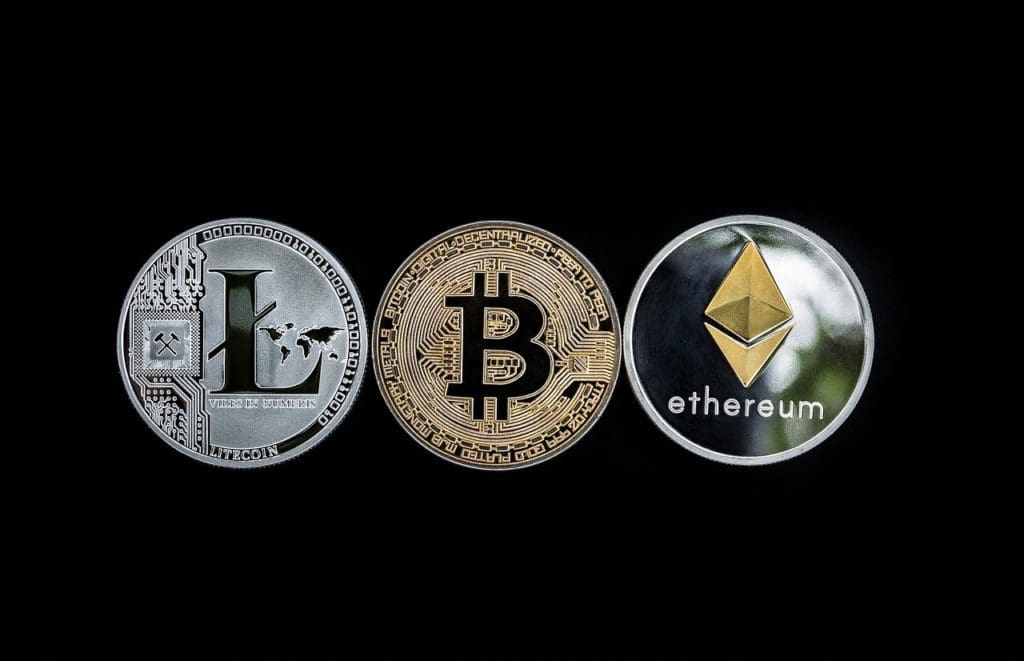
With more than 16,000 cryptocurrencies out there, it’s extremely difficult to decide which ones to invest in. You can start by checking out these top 5 cryptocurrencies of 2022.
1. Bitcoin (BTC)
If you’ve only heard of one cryptocurrency, it’s probably Bitcoin. While some see it as old and irrelevant, there’s no doubt that Bitcoin is still the most popular cryptocurrency in existence. Its market cap is above $800 billion.
2. Ethereum (ETH)
Although Ethereum has a market cap roughly half the size of Bitcoin, many believe it could eventually displace Bitcoin. This is in part because of its utility for creating non-fungible tokens (NFTs).
3. Binance Coin (BNB)
Currently valued at just under $80 billion, Binance Coin is the native coin on the Binance Exchange, the largest crypto exchange in the world. Binance’s long-term plan is to gradually reduce the trading coin supply to increase the value of Binance Coin.
4. Tether (USDT)
Right behind Binance Coin is Tether, the top stable coin on the market. Being a stable coin means its value is tied to another asset. In Tether’s case, the digital coin is tied to the US dollar. The only question is whether Tether actually has enough dollars to back up all of its coin.
5. Solana (SOL)
Solana’s market cap is almost $50 billion, an impressive feat considering it was less than $1 billion at the start of 2021. Many people are looking to Solana as a replacement for Ethereum because Solana has lower transaction fees and faster processing speeds.
Safety tips for crypto
Once you’ve decided which cryptocurrencies to put in your crypto wallet, it’s time to invest in keeping your investments safe. Here are some basic steps you can take to protect your cryptocurrency.
1. Use a password manager
Storing all of your passwords in a password manager like 1Password is foundational to online safety. When it comes to your crypto wallet passwords, it’s even more vital to keep them safe. Make sure you’re using unique, strong passwords for any crypto accounts and keeping your private keys safe.
2. Look into hybrid options
The best method is to have a hybrid wallet–one that’s neither hot (online only) nor cold (offline only). Store most of your cryptocurrency in cold storage or a physical wallet kept in a safe, leaving a small amount online for easy accessibility. While putting all of your crypto in a physical wallet is the most secure choice, it can be inconvenient for trading. Keeping all of your crypto online, on the other hand, leaves you more vulnerable to hackers.
3. Do your research
Since cryptocurrency is not managed by a bank or other organization, the burden falls on you as the individual to be knowledgeable about how it works. Understanding how your wallet is used in transactions and the cyber-protections available so you can minimize your risk of cyberattack.
4. Guard your private key
Your private key proves you are the owner of your wallet whenever you’re sending or receiving coins. It is essential that no one finds out your private key. Consider using cold storage, meaning printing out your key and leaving no digital trace of it. Don’t rely on a provider to host your wallet since this will give them access to your private key as well.
5. Practice general online safety
How is your online safety overall? You can find out by taking the National Privacy Test. Your score will give you a good idea of whether your online practices are leaving you vulnerable to attack or not. The safer you are online, the safer your cryptocurrency will be.
Hackers are constantly looking for ways to gain access to your cryptocurrency. Educate yourself on online security best practices so you’re not vulnerable to attack. You’ll have the best chance of making it big if your investments are kept safe.