Advances in technology have made our personal and professional lives easier. However, the more technology is integrated into every facet of our daily lives, the more we rely on it.
For example, most businesses need a secure and visible online presence to remain viable, and a digital supply chain is vital to organizational success.
Nevertheless, digital supply chains face increased cyber threats and cyberattacks can negatively impact the flow of goods and supply chain logistics. Discover how digital supply chains impact cybersecurity and the best practices to keep your supply chain safe.
What is a digital supply chain?
A digital supply chain is a system that includes technologies, tools, and processes
that help to streamline and optimize online supply chain management and operations. Advanced tools like AI, blockchain, and the Internet of Things (IoT) are used in the digital supply chain to enhance efficiency, transparency, and visibility from sourcing to manufacturing to distribution.
In layman’s terms, this is the modern, tech-fueled version of product manufacturing and delivery. The digital supply chain is the behind-the-scenes network of people, systems, technologies, and tools to help businesses create, sell, and distribute their products.
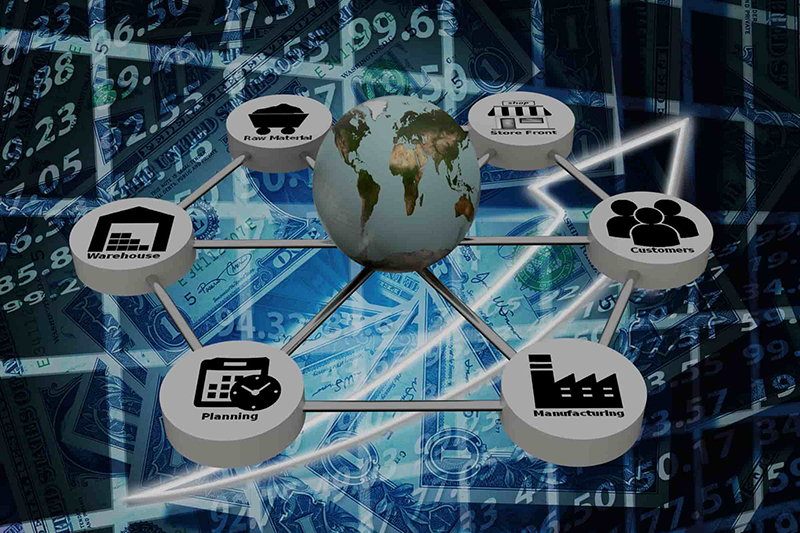
The traditional supply chain includes multiple steps, from raw material orders to manufacturing to warehouse to shipping to store and consumer deliveries. The digital supply chain combines these steps through digital technology, including a network of AI automation, cloud computing, real-time data tracking, sensors, and software.
The digital supply chain is all about speed, visibility, and smart decision-making.
How a digital supply chain works
Here’s a basic breakdown of the aspects of a digital supply chain:
- Data, software, and services communicate and flow between companies, vendors, and customers through a network of connected technologies. Each component is interconnected.
- Every part of the supply chain network, from raw materials to delivery confirmation, is managed by this network.
- A digital supply chain system might include vendors like a website hosting platform and a third-party payment processor (such as PayPal), extensive consumer database on a cloud-based storage platform, and third-party apps to track shipping and shipping information.
These connected vendors each represent a crucial “link” in the digital supply chain. If one link is compromised by cyberattacks, the entire system can be adversely impacted. Thus, digital supply chain security is extremely important.
Why the digital supply chain matters in everyday life
Digital supply chain systems and digital supply chain security are crucial to online businesses, but the average consumer is impacted by both as well. Every time you shop online, you’re affected by the digital supply chain.
For example, if you order a pair of sneakers and get an update saying “your package will arrive tomorrow,” that’s the digital supply chain at work. The chain system tracks your order, coordinates shipping, and automatically communicates with you.
When supply chains are digitally connected, companies can respond quickly to problems like out-of-stock items, delays due to weather, or sudden spikes in demand. This means fewer empty shelves, accurate shipping times, and can lower costs for consumers.
Real-world examples of digital supply chain technology
A digital supply chain often includes the following technologies:
Artificial Intelligence:
AI is involved in almost every aspect of a digital supply chain. On the production end, AI analyzes, predicts, and optimizes routes and traffic patterns, automates delivery scheduling, helps to manage and optimize inventory, and can be used to automate tasks and predict potential equipment failures in warehouses and manufacturing facilities.
In shipping, AI-powered sensors and the industrial Internet of Things (IIoT) can provide real-time insights and data of assets, inventory, and shipments. AI analysis can increase the efficiency of cybersecurity risk assessment and management, including cybersecurity threats and supply chain disruptions.
AI can help forecast demand by analyzing market trends, sales data, performance metrics, can contribute to supply chain network design, and can create personalized consumer experiences.
Blockchain:
Blockchain helps to enhance digital supply chain security by offering secure and transparent, real-time tracking of products from creation to consumer sales. This technology creates a secure record of every transaction, which helps to identify and analyze any issues that arise throughout the chain.
Blockchain is unique and encrypted, which makes it difficult for cybercriminals to infiltrate to alter or intercept transaction records, and it can also be used to verify the history, movement, and authenticity of products.
Cloud Computing:
Cloud computing is a vital technology in digital supply chain management. Cloud-based platforms are used to collect and analyze data from multiple sources, including customer service and sales portals, and suppliers.
This allows forecasting of future demands and helps to make necessary adjustments to inventory levels and production schedules. Cloud computing is highly scalable, can centralize communication and data sharing to reduce errors and miscommunication to improve collaboration and decision-making, and provides real-time supply chain analysis.
IoT Sensors:
IoT sensors can be used to monitor manufacturing conditions, like temperature and light, to avoid product challenges such as spoiled pharmaceuticals or food. These sensors also provide real-time data on product locations and conditions.
Cybersecurity risks of digital supply chains
The increased connectivity of all “links” on the digital supply chain also increases cybersecurity risks and vulnerabilities. Every partner, app, and tool in a digital supply chain introduces a potential entry point for hackers.
The cybersecurity risks a digital supply chain could experience include:
- Data Breaches
- Malware
- Phishing Attacks
- Ransomware
- Social Engineering
- Third-Party Vulnerabilities (every link in the chain can be adversely impacted by another link’s weak security or vulnerable points-of-entry)
These attacks exploit trusted relationships and can be devastating to the entire supply chain. Without strong digital supply chain security measures in place, even the most cautious company can fall victim to a cyberattack and face financial loss, operational disruption, and reputational damage.
Best practices for digital supply chain security
Ensuring your digital supply chain is secure protects your own systems, and it protects your supply chain partners and vendors as well. Here are some best practices for digital supply chain security that can help keep your supply chain protected:
- Limit access on an as-needed basis. Give vendors access to their accounts only to minimize the damage a single compromised account can occur.
- Monitor your supply chain. Track network activity and suspicious behavior to thwart potential threats.
- Strategize an incident response plan. Prepare for the worst cyberattacks and have a clear plan in place if your digital supply chain is breached, including how to contain the threat and mitigate any damage.
- Update passwords, security protocols, software, and operating systems regularly. Bad actors will look for ways to exploit outdated tools and wreak havoc on your digital supply chain.
- Vet all of your vendors. Third-party vendors should have robust cybersecurity policies, compliance with all standards in your industry, and a lack of past breaches or cyberattacks.
Digital supply chain security is a shared responsibility between you and all parties involved with your digital supply chain. By taking proactive steps, you can help safeguard your entire digital ecosystem.