Personal safety wearables used to be marketed almost exclusively to elderly populations. Remember the old, “Help! I’ve fallen and I can’t get up!” commercials for Life Alert? Today, the wearables industry has completely changed.
Instead of focusing on senior citizens, today’s personal safety devices are marketed towards people of all ages. Even babies are wearing safety devices like the Owlet, a tiny heart and oxygen monitor that the company says gives parents peace of mind.
AI integration is contributing to the steady growth of the wearables market. New devices use AI to improve their features. For example, health monitoring devices can use AI to improve accuracy. Devices designed to help people in emergencies can use AI to provide guidance while waiting to connect to someone who can assist them.
Most, but not all, of these devices focus on providing users with fast communication with either their emergency contacts or authorities. With the rise of multi-function devices, we are going to see more and more products designed to increase your personal safety.
Let’s take a look at several personal safety devices that can keep you and your loved ones safer at work, play, and on the road.
Smart Jewelry
Many people want to wear personal safety devices without drawing attention to what they’re wearing. That’s why smart jewelry has emerged as a discreet yet powerful solution for those seeking protection without drawing attention.
These innovative accessories look like everyday jewelry pieces, ranging from elegant necklaces to trendy bracelets. But they also pack sophisticated safety features like emergency alerts, GPS tracking, and professional monitoring services, allowing wearers to subtly call for help without alerting potential threats.

InvisaWear
InvisaWear offers a collection of stylish jewelry pieces that connect to ADT monitoring services. allowing wearers to double-tap their accessory to instantly alert emergency contacts and share their location.
Their products include bracelets, necklaces, athletic bands, and scrunchies. These safety devices are recommended by police because they can provide fast access to emergency services.

Flare Safety
Flare Safety offers necklaces, keychains, athletic bands, and scrunchies that pull triple duty:
- They look great.
- They hide a secret button designed to trigger an incoming phone call. This fake call allows wearers to exit uncomfortable or potentially dangerous situations gracefully.
- They can be used to immediately send an SOS message to emergency personnel or the wearer’s contacts.

Smartwatches
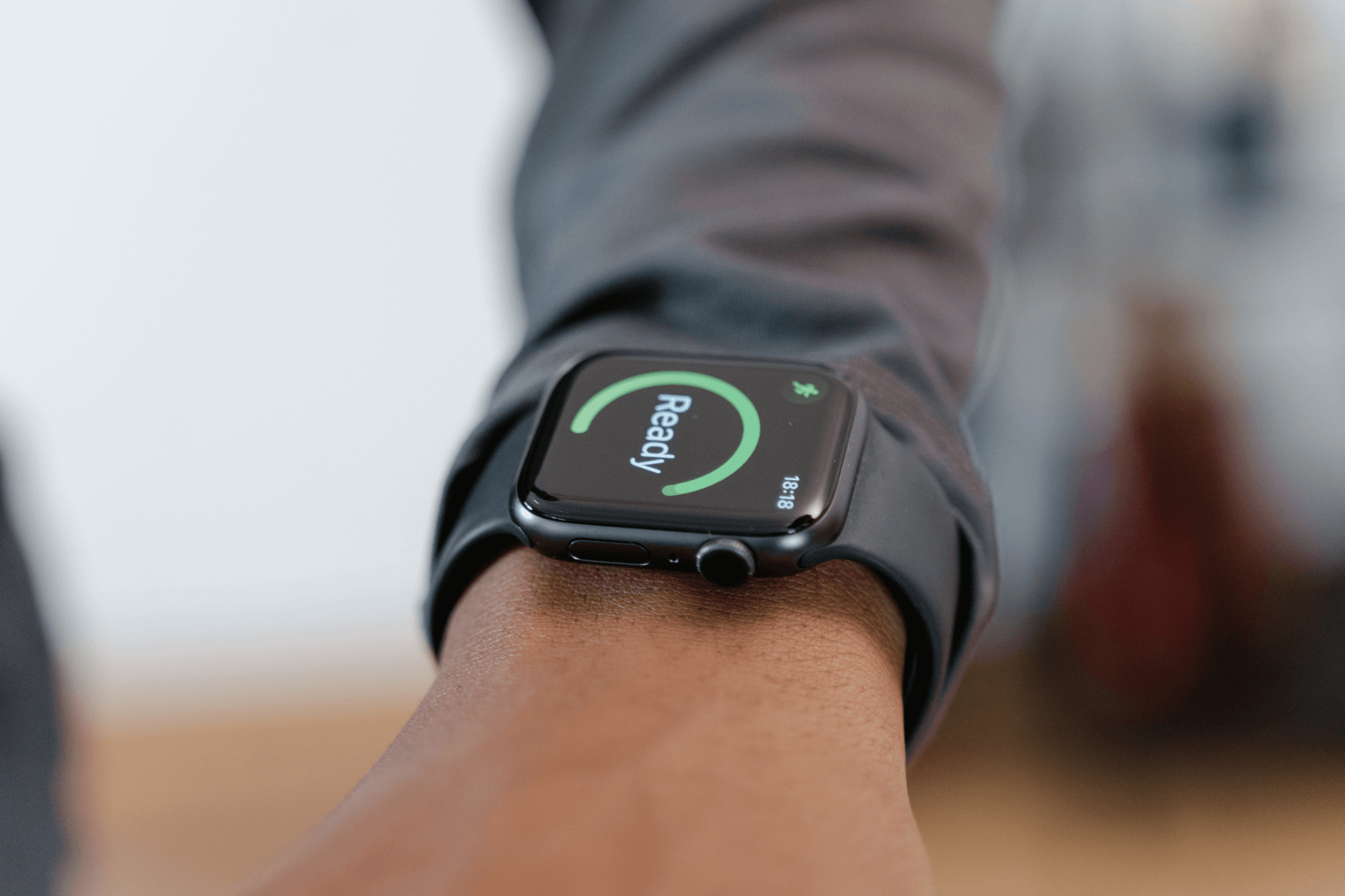
Smartwatches may have started out as simple fitness trackers, but today they are comprehensive personal safety devices that are always right within our reach. Smartwatches are connected to both cellular and GPS networks, making them a go-to tool for people who want to be able to communicate in an emergency.
Smartwatches, like the Apple Watch, the Samsung Galaxy Watch, and many Garmin devices, can be used in many ways, including:
- detecting falls
- sending out emergency SOS calls
- sharing locations with emergency responders or close contacts
- medical alerts (depending on the watch and its features)
Medical Safety Wearables
For individuals with chronic conditions or those requiring constant medical monitoring, medical safety wearables provide a crucial link between patients and their healthcare providers. These specialized personal protection devices continuously monitor vital signs and health metrics. This means that wearers can benefit from preventive care through early warning systems and immediate emergency response capabilities if a critical situation emerges.

Kardia
Kardia is a portable EKG monitor that provides medical-grade heart rhythm analysis that can be used to detect cardiac issues early. One model is as small and thin as a credit card, while other models are only slightly thicker. It only takes 30 seconds to get a reading, which you can use for personal knowledge or data tracking for your healthcare providers.
Depending on the model, Kardia devices can detect AFib, Bradycardia, Tachycardia, PVCs, and Sinus Rhythm with SVE or Wide QRS.

AngelSense
The AngelSense monitoring system is designed for individuals with dementia. It combines GPS tracking with heart rate monitoring to detect any wandering or distress. These are considered one of the best personal safety devices for seniors.
AngelSense can be placed in a protective sleeve and attached to a waistband or belt loop. It can also be tucked into a special pocket on compatible bike shorts, undershirts, sports bras, or armbands. Some people wear it as a watch or on a lanyard, and there are even waterproof pouches to protect the device.

The Owlet
The Owlet is an FDA-approved sock for babies to wear while sleeping, which tracks their pulse rate and oxygen saturation level. When these numbers fall above or below a certain threshold, the sock sends an alert to the caregiver’s phone.
Note that some medical professionals have expressed concerns over safety wearables like the Owlet, based on the fact that their benefits have not been proven and they may lead to unnecessary medical testing and treatment for children.
Discreet Personal Alarms
Personal alarms are a straightforward and effective approach to personal safety. These compact devices can be easily attached to keys, bags, or lanyards. In an emergency, a simple push of a button can emit extremely loud sounds (often exceeding 100 decibels). This startles potential attackers and draws immediate attention from passersby.

SABRE Personal Alarm
SABRE makes a variety of personal safety devices, including pepper sprays and projectile launchers. One of their products is the powerful 110-decibel alarm that can be heard up to 600 feet away. You simply pull the pin to activate the alarm.
Personal Alarm Keychains
Many brands provide compact, lightweight personal alarms that can be worn by anyone, but especially women, children, and seniors. A push of a button can sound an alarm. These devices may also come with LED flashlights, attachments for pepper spray, or multi-purpose tool attachments.
Professional Safety Devices for Specific Industries
Employees in certain industries can use security wearables to protect themselves while on the job. For example, lone worker monitoring devices can send out an emergency alert when a solo worker is injured while working. Construction workers can wear smart helmets, which provide them with real-time access to project plans, communication, and safety information.
Some employees may benefit from AR glasses, work-related smart watches, and wearables that monitor air quality for issues like carbon monoxide, gas leaks, excess temperatures, humidity, noise, and more.

Choosing a wearable safety device? Consider these factors
If you are interested in one of these wearables or another safety device, consider these factors:
- What is the battery life?
- What is the range for the device?
- Is it easy for the wearer to use?
- How does it connect to cellular, GPS, or WiFI networks?
- Does it meet your budgetary needs?
- Do you have to pay any ongoing fees or enrollment costs?
- Are there any limitations on where you can wear this device—airports, for example?
- Is it water and weather-resistant?
- Will it work for your specific needs (solo travel, remote work, outdoor activities, medical emergencies)?
- Does the company have a history of any data breaches?
As personal safety technology continues to evolve, we will continue to see new products that provide a combination of fashion and function. Security features will be added to discreet jewelry, wearable smartwatches, and other everyday items. Ideally, these wearables will offer users peace of mind across all demographics.
A safety device may not be able to guarantee your safety, but it can certainly add a layer of protection in a wide range of situations. As AI technology continues to advance, these devices will become more and more sophisticated. They will also be more accessible and effective for everyday users.
When choosing a personal safety device, consider your specific needs, lifestyle, and circumstances to find the option that best suits you. Remember that the most effective device is one that you’ll actually wear and know how to use when it matters most!